
Introduction to Western Saddles and Tack
Western saddles are a style of riding saddle developed in the Americas, designed originally for ranch work, cattle handling, and long hours on horseback. They are larger and heavier than English saddles, offering greater stability and rider comfort over extended use. “Tack” refers to all the equipment used with the horse and saddle, including bridles, reins, girths, and accessories that ensure control and safety during riding.
Key Components of Western Tack
Western tack includes several essential pieces that work together. The saddle itself has parts such as the horn, swell, cantle, skirts, fenders, stirrups, and rigging. The bridle typically includes a headstall, bit, and reins. Additional equipment like breast collars, cinches, and saddle pads help secure the saddle and protect the horse’s back.
Types of Western Saddles
Western saddles come in different styles depending on their purpose. Common types include ranch saddles for working cattle, barrel racing saddles for speed and agility, trail saddles for comfort over long rides, and roping saddles designed with reinforced horns and trees for handling cattle. Each type varies in weight, seat design, and rigging position.
Materials Used in Western Saddles and Tack
Traditional western saddles are made from leather, valued for durability, grip, and long life when properly maintained. The tree inside the saddle is often wood reinforced with fiberglass or rawhide. Modern alternatives may use synthetic materials that reduce weight and maintenance requirements. Tack components can also include stainless steel hardware for strength and rust resistance.
Importance of Proper Saddle Fit
A well-fitting saddle is crucial for both horse and rider comfort. An ill-fitting saddle can cause pressure points, soreness, and long-term back issues for the horse. Proper fit ensures even weight distribution across the horse’s back and allows free movement of the shoulders. Saddle pads and correct cinching also play a key role in achieving a secure and balanced fit.
Maintenance and Care of Western Tack
Western tack requires regular cleaning and conditioning to maintain durability. Leather saddles should be cleaned to remove sweat, dirt, and debris, then conditioned to prevent drying and cracking. Metal parts should be checked for rust or wear. Proper storage in a dry, ventilated area helps extend the life of the equipment.
Introduction to the Wintec Full Quarter Western Saddle
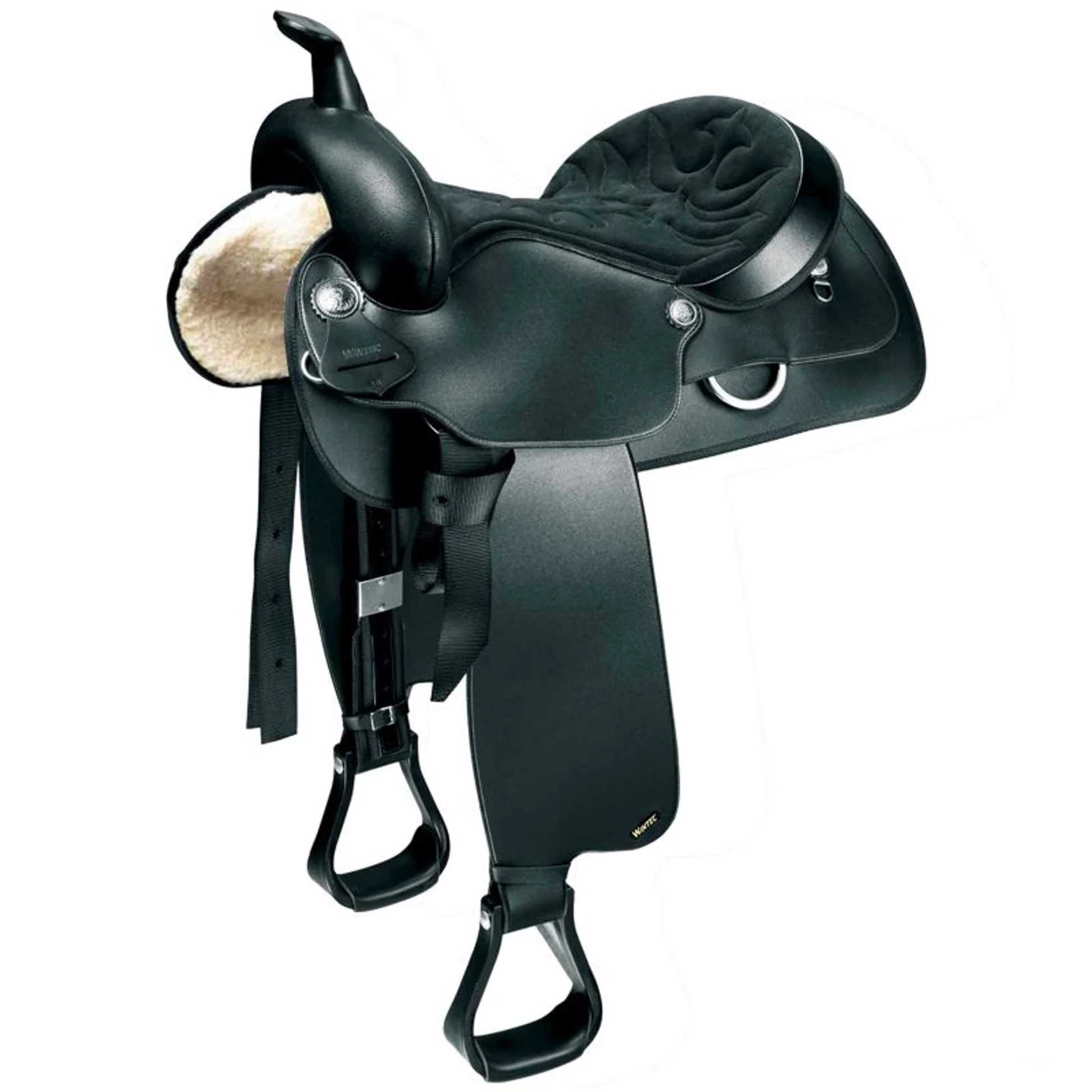
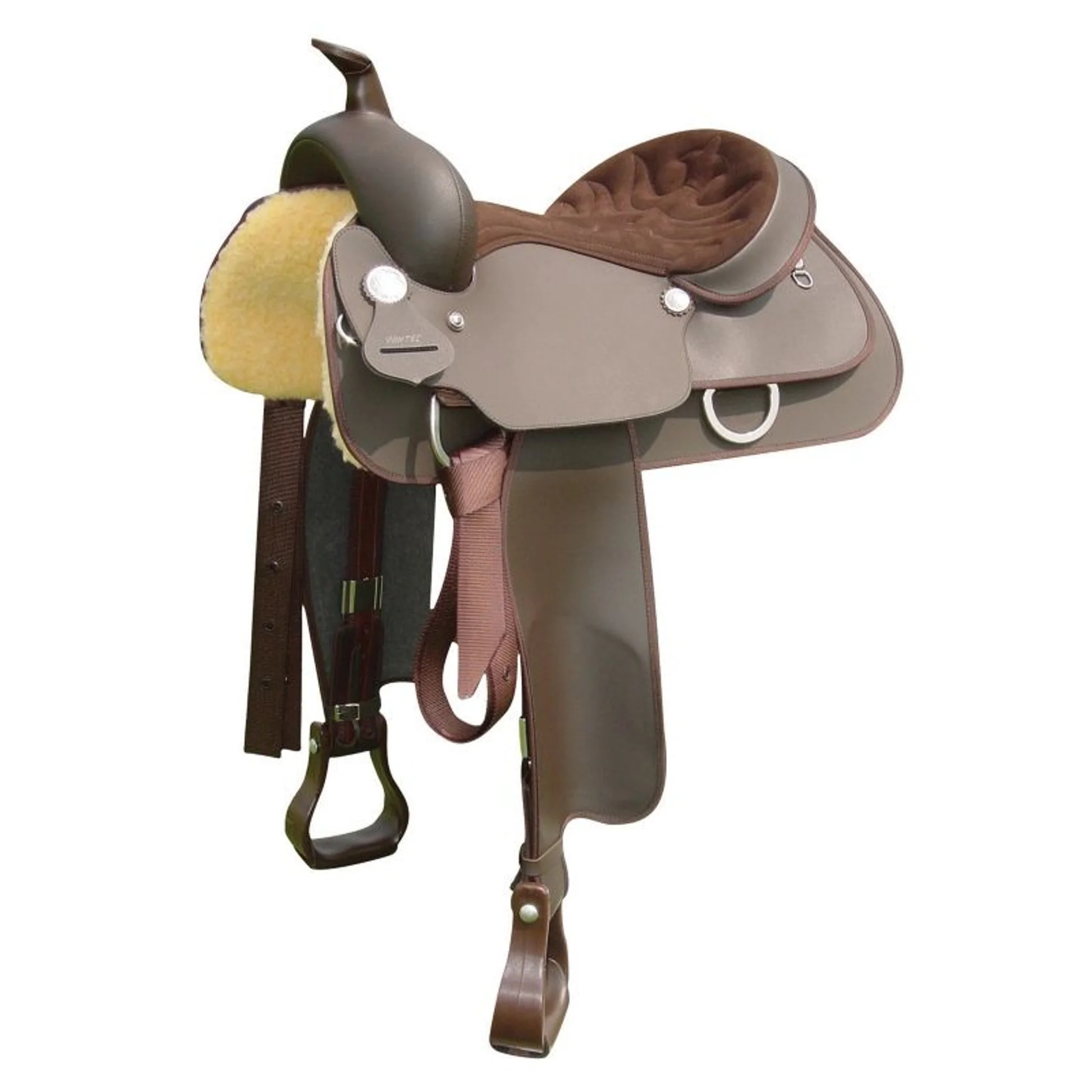
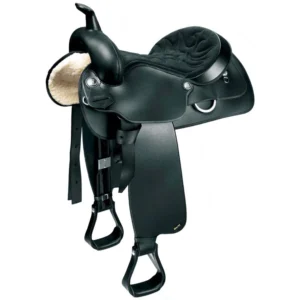
The Wintec Full Quarter Western Saddle is a modern take on the traditional western saddle, designed with synthetic materials for reduced weight and easy maintenance. It is often favored by riders who want the appearance and function of a western saddle without the heavy upkeep associated with leather.
Features of the Wintec Full Quarter Western Saddle
This saddle typically includes an adjustable gullet system, making it adaptable to different horse body shapes, including broader “full quarter” horses. Its synthetic construction is weather-resistant and easy to clean with just water. It also features a cushioned seat for rider comfort and durable fittings that mimic traditional western styling.
Advantages and Limitations
One major advantage of the Wintec saddle is its lightweight design, which makes it easier to handle, especially for younger or less experienced riders. It is also highly resistant to weather damage and requires minimal maintenance. However, some riders prefer the feel and traditional aesthetic of leather saddles, and synthetic materials may not offer the same long-term durability under extreme working conditions.
Practical Use, Fit, and Care Considerations
The Wintec Full Quarter Western Saddle is commonly used for trail riding, light ranch work, and recreational riding. Ensuring correct fit remains essential despite its adjustable features. Regular cleaning and occasional inspection of straps and fittings help maintain safety. With proper use, it provides a comfortable and practical alternative to traditional western saddles and tack systems.

Christian Brandl (verified owner) –
I was a bit unsure at first, but after a couple of weeks I can clearly see a difference. My horse moves more freely and seems less stiff, especially in the mornings.
Iulian Dumitru (verified owner) –
No discomfort observed.
Celine Roche (verified owner) –
My horse recovers quicker between training days.
Lorenzo Ricciardi (verified owner) –
The coat item is well fitted and doesn’t restrict movement.
Martina Russo (verified owner) –
At a higher level, it’s often the small margins that matter, and this contributes positively to those details.
Antoine Perrin (verified owner) –
The improvement in muscle relaxation is something I didn’t expect so quickly.
Jonas Dahl (verified owner) –
It’s become part of our routine now, especially after competitions or harder schooling days.
Paulina Lewandowska (verified owner) –
I was looking for something to support recovery after competitions, and this has worked very well. My horse feels fresher the next day.
Bogdan Ionescu (verified owner) –
After incorporating this into our routine, my older gelding shows noticeable improvement in flexibility. It’s very easy to use and doesn’t stress the horse at all, which was important for me.
Sofia Svensson (verified owner) –
My horse feels more comfortable in general.
Ola Nordström (verified owner) –
No learning curve.
Chloe Martin (verified owner) –
I’ve integrated it into our routine without any hassle.