
Introduction to Equine PEMF Therapy
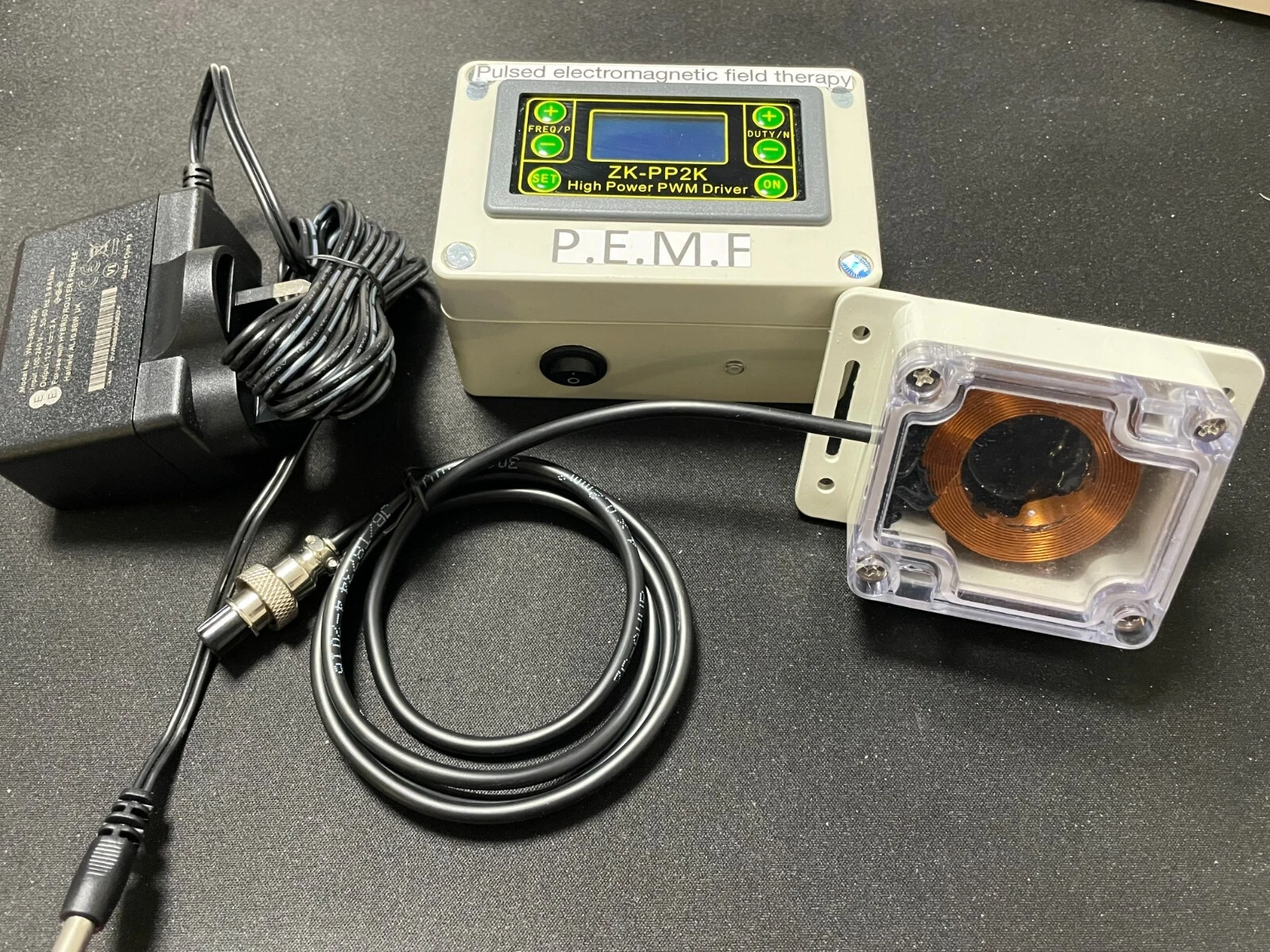
An equine PEMF machine is a device used in veterinary wellness to deliver Pulsed Electromagnetic Field (PEMF) therapy to horses. This non-invasive technology generates electromagnetic pulses that interact with the body’s tissues. It is commonly used in performance horses, racehorses, and rehabilitation cases to support recovery and overall musculoskeletal health.
What is PEMF Therapy?
PEMF therapy refers to the use of low-frequency electromagnetic waves to stimulate cells and tissues. The idea is that these pulses may help restore normal cellular function by influencing electrical activity in the body. Pulsed Electromagnetic Field Therapy is used in both human and veterinary applications.
How Equine PEMF Machines Work
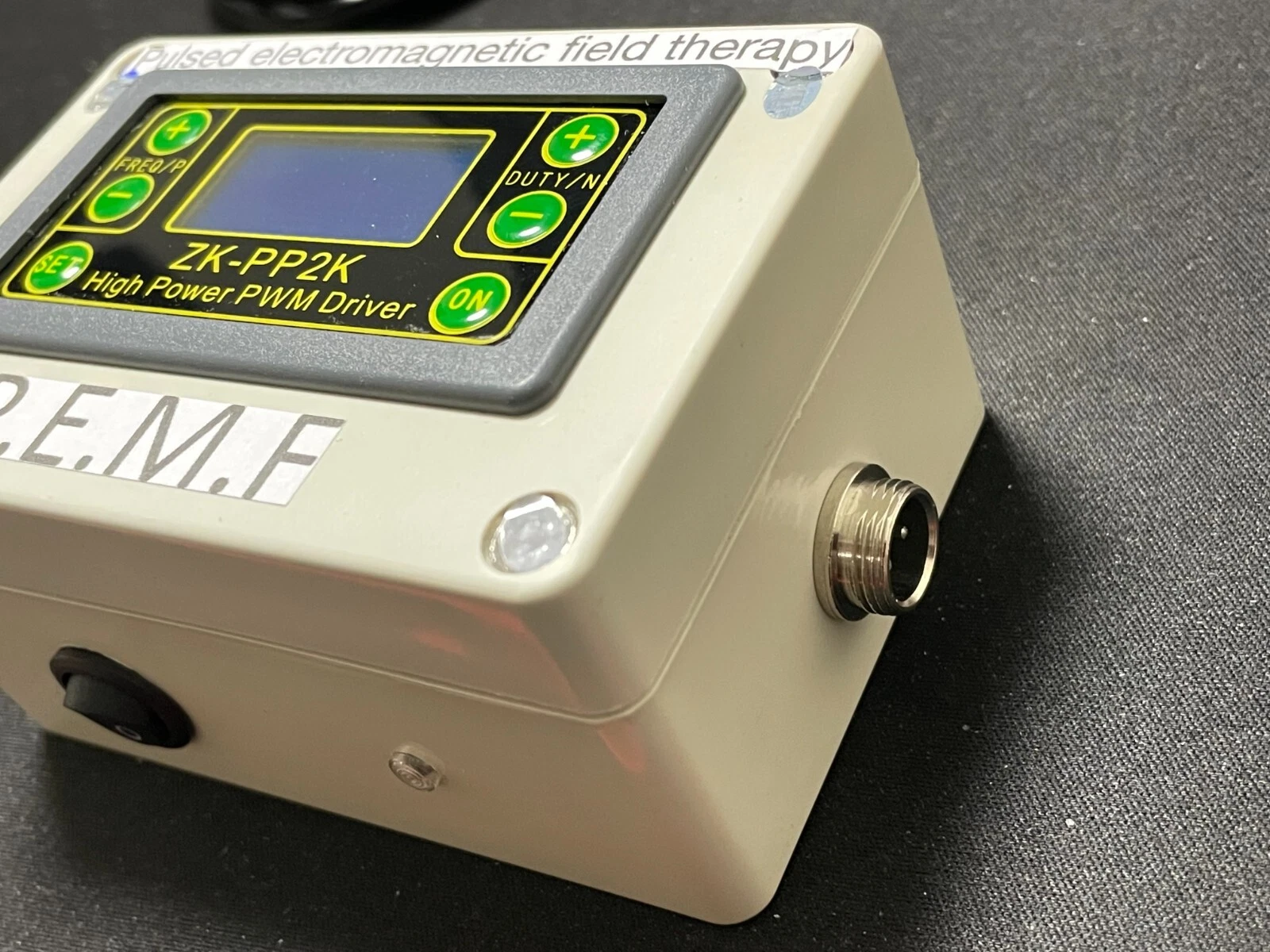
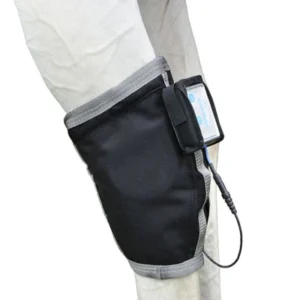
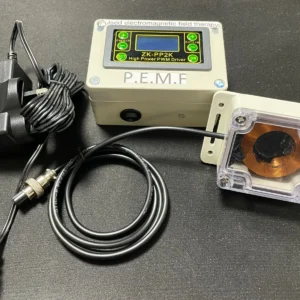
Equine PEMF machines consist of coils or applicators that generate electromagnetic pulses when activated. These pulses penetrate the horse’s body at varying depths depending on frequency and intensity settings. The therapy is typically administered through mats, wraps, or portable paddles placed over targeted areas such as joints, back, or legs.
Biological Effects on Horse Tissues
The electromagnetic pulses are believed to influence ion exchange across cell membranes, improving cellular communication. This may enhance oxygen delivery and nutrient transport while supporting waste removal. In horses, this process is often associated with improved tissue recovery and reduced inflammation response.
Common Uses in Equine Care
PEMF therapy is widely used in managing tendon injuries, ligament strains, arthritis, and general muscle soreness in horses. It is also used preventively in athletic horses to reduce the risk of overuse injuries. Trainers often include PEMF sessions in routine recovery protocols after intense exercise or competition.
Benefits for Performance Horses
For sport and racehorses, PEMF therapy may help improve flexibility, reduce stiffness, and enhance recovery time between workouts. Some owners report improved stride comfort and overall movement quality. While results can vary, many equine professionals consider it a supportive tool in performance management.
Types of Equine PEMF Devices
There are different types of PEMF systems used in equine therapy, including full-body mats, localized loop applicators, and portable handheld devices. Full-body systems are used for general recovery, while targeted applicators focus on specific injuries or muscle groups. The choice depends on the horse’s condition and treatment goals.
Treatment Protocols and Usage
A typical PEMF session for horses may last between 15 to 60 minutes depending on the device and treatment plan. Frequency of use can range from daily sessions during rehabilitation to occasional maintenance treatments. Veterinary guidance is often recommended to tailor protocols safely and effectively.
Safety and Limitations
PEMF therapy is generally considered non-invasive and well-tolerated by horses. However, it is not a replacement for veterinary diagnosis or medical treatment. Horses with certain implanted devices or acute conditions may require caution. Scientific research is still ongoing to fully validate long-term effectiveness in all cases.
Future of PEMF in Equine Medicine
Interest in PEMF technology continues to grow in equine sports medicine and rehabilitation fields. Advances in device precision and research may further clarify its role in healing and performance optimization. As understanding improves, PEMF may become a more standardized part of integrative equine care programs.
Sebastian Wagner (verified owner) –
It supports ongoing care in a practical way.
Isabella Costa (verified owner) –
Very helpful in maintaining overall condition.
Sofie Nielsen (verified owner) –
Muscle relaxation has improved steadily, especially in horses that previously showed resistance through the back.
Weronika Mazur (verified owner) –
My horse recovers faster.
Rita Correia (verified owner) –
Everything works exactly as expected.
Lucas Andersen (verified owner) –
My horse feels more confident in his body, which translates directly into better training sessions.
Sofia Svensson (verified owner) –
Very easy to store and transport, which is helpful when traveling.
Fabio De Santis (verified owner) –
My horse demonstrates improved suppleness during lateral work.
Emil Falk (verified owner) –
My horse seems more relaxed even during grooming.
George Marin (verified owner) –
Very easy to store and transport, which is helpful when traveling.
Carla Martins (verified owner) –
Very useful for maintaining consistency.
Daniel Hoffmann (verified owner) –
My horse feels more balanced and willing.
Natalia Piotrowska (verified owner) –
The setup is simple, and it doesn’t require any complicated adjustments.