
Introduction to Veredus TRC Vento Front Boots and EquiFit Boots
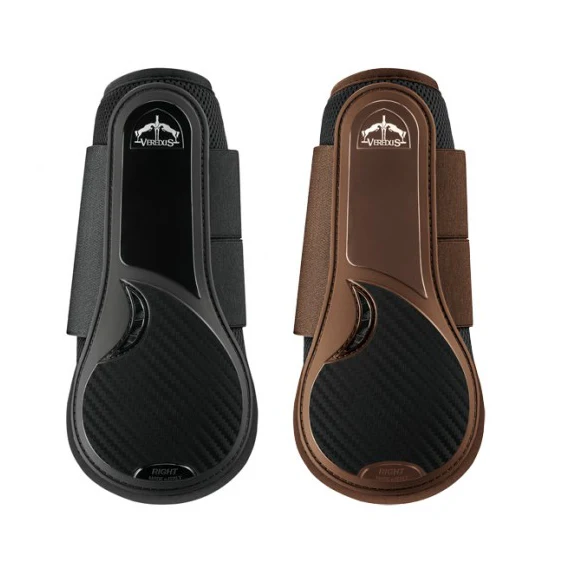
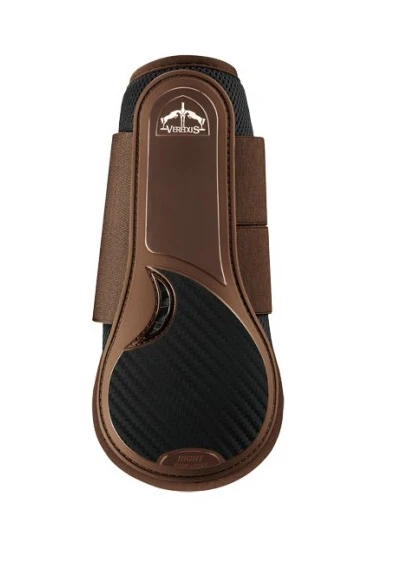
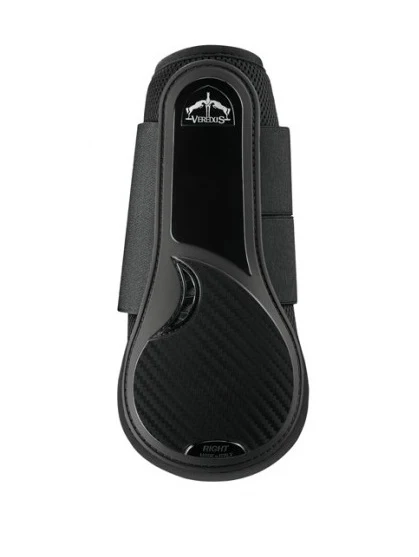
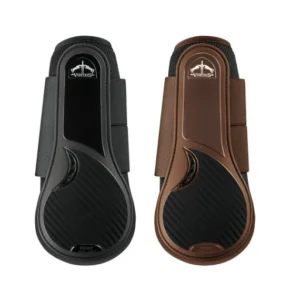
The Veredus TRC Vento Front Boots and EquiFit boots (such as EquiFit EquiFit D-Teq Front Boots) are two well-known options in modern equestrian protective gear. Both are designed for protecting a horse’s front legs during flatwork, jumping, and everyday training. These boots are commonly used in show jumping and competitive riding due to their combination of protection, ventilation, and lightweight construction.
Purpose of These Horse Boots
Both products serve a similar core function: protecting the horse’s cannon bone and tendons from knocks, strikes, or brushing injuries. The Veredus TRC Vento line is especially known for its wrap-around design that offers full coverage of the lower leg, while EquiFit boots often focus on anatomical shaping and impact absorption.
Their main purpose is not to “support” tendons (a common misconception), but to act as a protective shield during movement and jumping.
Design of Veredus TRC Vento Front Boots
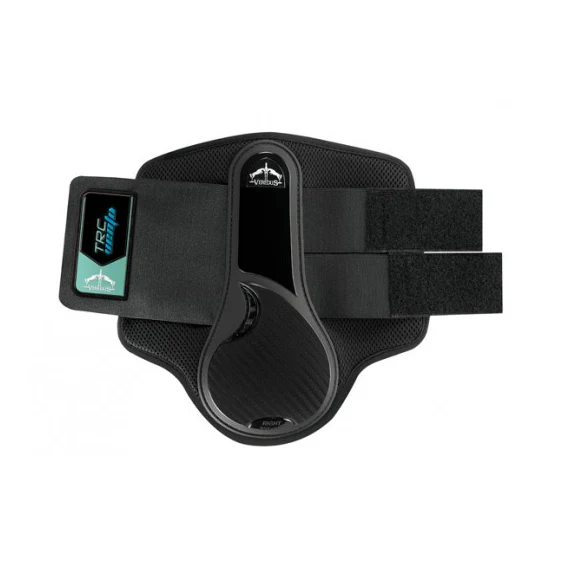
The Veredus TRC Vento Front Boots feature a modern, anatomical shell designed to wrap fully around the front leg. They include a double Velcro closure system that ensures a secure and stable fit during intense activity.
The structure is lightweight but strong, making them suitable for both training and competition use. Their design focuses on full leg coverage rather than open-front styling.
EquiFit Boot Design Characteristics
EquiFit boots, such as the EquiFit D-Teq range, are known for their ergonomic shaping and close contact fit. They are designed to conform closely to the horse’s leg, helping distribute impact forces evenly.
EquiFit often uses materials like shock-absorbing foam or specialized synthetic layers to reduce pressure points while maintaining flexibility and comfort during movement.
Ventilation System (Key Feature of Vento Line)
One of the standout features of the Veredus TRC Vento boots is the double ventilation system. Air flows through micro-perforated neoprene and 3D mesh channels, helping release heat generated during exercise.
This airflow system moves heat upward and out of the boot, helping to reduce overheating of the horse’s tendons and skin compared to traditional non-ventilated boots.
Protection and Impact Resistance
Both Veredus and EquiFit boots focus heavily on impact protection. The Veredus TRC Vento uses a reinforced outer shell and internal shock-absorbing materials to protect against strikes and interference injuries.
EquiFit boots, depending on model, often emphasize multi-layer impact absorption systems that cushion blows while maintaining flexibility.
Comfort and Fit on the Horse’s Leg
Comfort is a major factor in both brands. The TRC Vento boots are shaped to fit the natural contour of the horse’s leg, preventing slipping or rotation during movement.
EquiFit boots also prioritize anatomical shaping, with designs intended to reduce rubbing and pressure buildup during long training sessions.
Materials Used in Construction
The Veredus TRC Vento uses materials like AEROX micro-perforated neoprene, 3D mesh fabric, and reinforced protective shells. These materials are chosen for durability and airflow.
EquiFit boots typically use high-density foam, synthetic outer shells, and breathable liners designed for shock absorption and comfort.
Use in Training and Competition
Both boots are widely used in show jumping, flatwork, and general schooling. The Veredus TRC Vento is often chosen for riders who want maximum ventilation and protection at higher performance levels.
EquiFit boots are also popular in competitive riding, especially among riders who prefer a softer, more anatomical feel on the horse’s leg.
Overall Comparison and Conclusion
In summary, the Veredus TRC Vento Front Boots are known for their advanced ventilation system, full-wrap protection, and durable construction, while EquiFit boots are appreciated for their anatomical fit and shock-absorbing comfort.
Both are high-quality choices, and the best option depends on the rider’s priorities—whether they value maximum airflow and rugged protection (Veredus) or a softer, closely contoured fit (EquiFit).
Pauline Laurent (verified owner) –
I would definitely purchase again.
Aurelie Fabre (verified owner) –
Everything works exactly as expected.
Hugo Lefebvre (verified owner) –
Helpful tool.
Nicolas Rousseau (verified owner) –
The materials feel durable and suitable for long-term use.
Chloe Dupont (verified owner) –
My horse used to take a long time to loosen up during warm-up, but now the process is much smoother and more efficient.
Natalia Piotrowska (verified owner) –
Die Anwendung ist sehr einfach und mein Pferd reagiert sehr positiv darauf. Es wirkt entspannter und beweglicher nach jeder Nutzung.
Liam Müller (verified owner) –
My horse feels more confident in his body, which translates directly into better training sessions.
Martina Ricci (verified owner) –
Everything is user-friendly.
Aleksandra Jaworska (verified owner) –
The improvement is steady and reliable.
Emil Lundqvist (verified owner) –
Works exactly as described.