
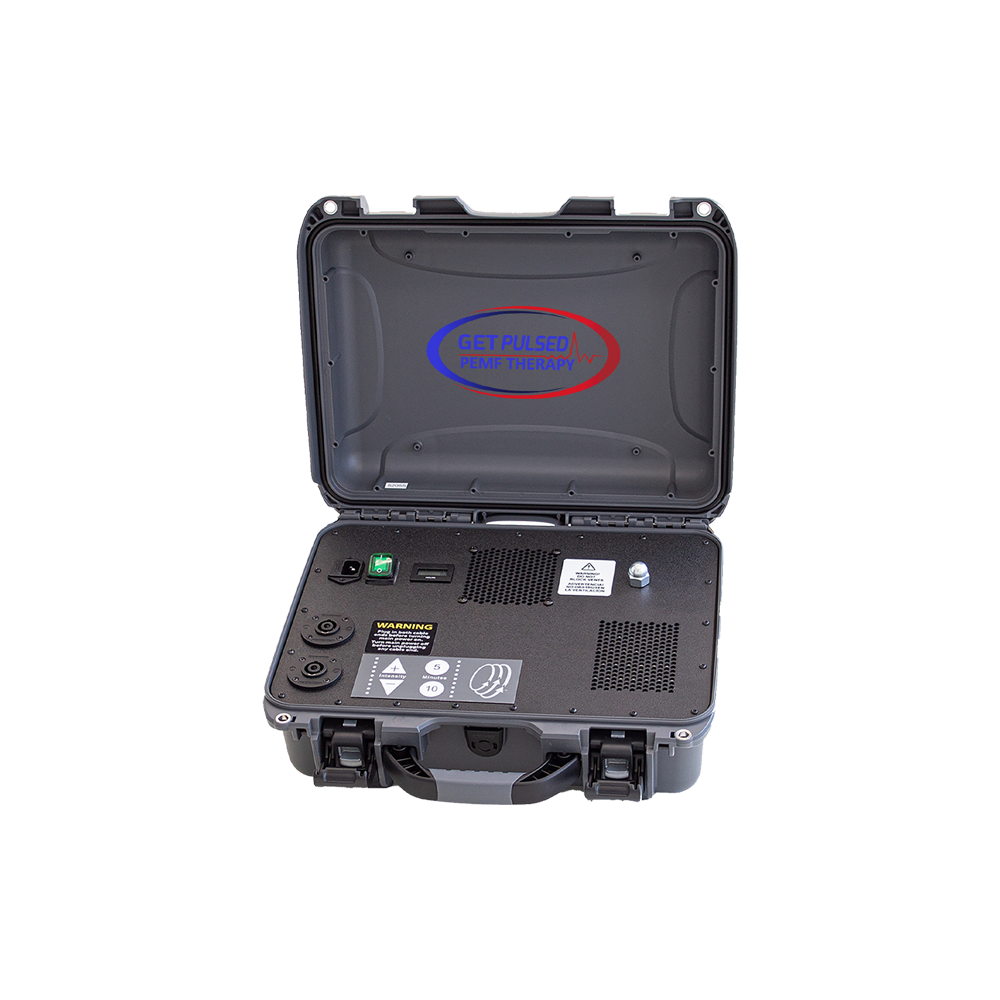
Overview of the Equine PEMF PMF-100 Spark Unit
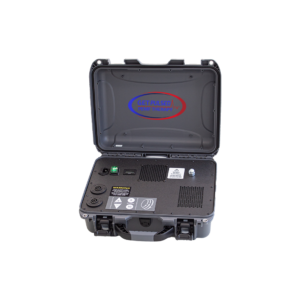
The Equine PEMF PMF-100 Spark Unit is a pulsed electromagnetic field (PEMF) therapy device designed for horses. It is used in animal wellness and veterinary support settings to deliver electromagnetic pulses aimed at influencing cellular activity. The “Spark Unit” designation typically refers to a high–power output version intended for deeper tissue penetration compared to lower-intensity devices.
What PEMF Therapy Means in Equine Care
PEMF therapy stands for Pulsed Electromagnetic Field therapy, a non-invasive technique that applies electromagnetic waves to the body. In equine applications, it is often used as a complementary approach to support recovery, comfort, and general musculoskeletal function. The idea is that electromagnetic pulses may influence ion exchange and cellular energy processes, although results can vary and research is still evolving.
Design Purpose of the PMF-100 Spark Unit
The PMF-100 Spark Unit is generally built for professional or semi-professional use, especially in stables, equine therapy centers, or veterinary rehabilitation environments. Its design focuses on portability, durability, and higher output intensity to reach deeper tissues in larger animals like horses, which require stronger penetration than human-grade devices.
High-Power Output and Penetration Depth
A key feature of the Spark Unit version is its high-power electromagnetic field output. This is intended to enhance penetration depth into muscles, joints, and connective tissues. In equine therapy contexts, deeper penetration is considered important due to the large body mass and thick muscular structure of horses.
Common Use Cases in Horses
The PMF-100 Spark Unit is often used in horses for general wellness support, recovery after intense training, and management of musculoskeletal stress. It may also be applied around joints, tendons, and the back region where performance horses commonly experience strain. It is not a replacement for veterinary treatment but is sometimes used alongside conventional care.
Application Methods and Usage Setup
Typically, PEMF devices like the PMF-100 are applied using mats, pads, or applicator coils placed around targeted areas of the horse’s body. Sessions are usually time-controlled and may vary depending on the condition being addressed. Proper positioning is important to ensure even field distribution and effective exposure.
Safety Considerations in Equine Use
While PEMF therapy is generally considered non-invasive, proper usage guidelines must be followed. Horses should be monitored during sessions to ensure they remain calm and comfortable. Devices should be used according to manufacturer instructions, especially regarding intensity levels and session duration, to avoid overstimulation.
Potential Benefits and Observed Effects
Reported benefits in equine practice may include improved relaxation, reduced muscle stiffness, and support for post-exercise recovery. Some trainers and therapists also use PEMF as part of a broader performance maintenance routine. However, outcomes can vary significantly between individual animals.
Limitations and Scientific Perspective
Despite its popularity in animal wellness circles, PEMF therapy—including devices like the PMF-100 Spark Unit—still has mixed levels of scientific validation in veterinary medicine. While some studies suggest potential physiological effects, more controlled research is needed to confirm long-term efficacy and standardize protocols in equine care.
Summary of the PMF-100 Spark Unit Role in Equine Therapy
Overall, the Equine PEMF PMF-100 Spark Unit is positioned as a high-power supportive therapy device for horse wellness and performance recovery. It is commonly used as a complementary tool alongside traditional veterinary and training practices. Its effectiveness depends on correct application, consistent use protocols, and integration into a broader care plan.
Lena Becker (verified owner) –
The difference in recovery time is noticeable.
Bogdan Ionescu (verified owner) –
Easy to handle without assistance.
Simon Schmitt (verified owner) –
A refined and dependable part of the overall system.
Davide Ferraro (verified owner) –
The results build gradually but are clearly noticeable after repeated use.
Antoine Lefevre (verified owner) –
Very satisfied with the long-term benefits.
Elena Rossi (verified owner) –
From a rehabilitation perspective, this has been useful in maintaining progress between manual therapy sessions.
Paulina Kaczor (verified owner) –
My horse stands quietly during use, which is always a good sign.
Henrik Lund (verified owner) –
Very impressed overall.
Filip Nilsson (verified owner) –
Does exactly what it should.
Camille Rousseau (verified owner) –
There is a greater sense of ease in daily work.
Maximilian Koch (verified owner) –
My horse moves more freely now.
Lorenzo Romano (verified owner) –
It’s reliable enough to use on a daily basis without concern.
Mihnea Ionescu (verified owner) –
After competitions, this has become part of my recovery routine, and the difference the next day is significant.